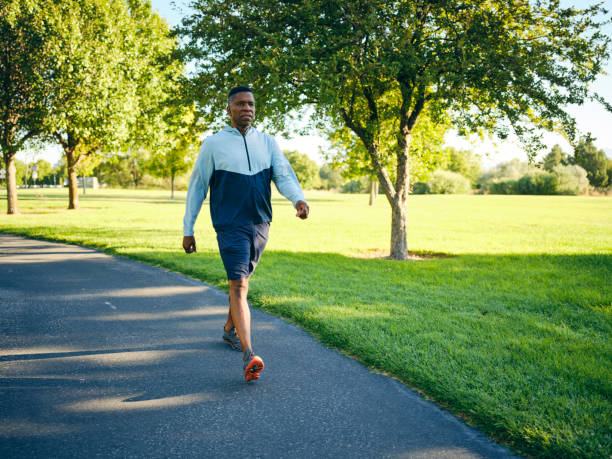
Mastery Through Recovery The Discipline That Creates Real Physical Progress
Mastery Through Recovery: Why Your Progress Depends on the Discipline You Show Outside the Gym
The Illusion of Hard Work Without Recovery
Hard training feels productive.
It feels noble, disciplined, meaningful. It satisfies your identity.
You walk out with sweat, a pump, a sense of achievement and an internal story that you have earned your progress.
But here is the truth very few people want to confront
Training does not make you better.
Recovery does.
Training creates the signal.
Recovery creates the adaptation.
Progress is built in the space between sessions, not in the sessions themselves.
Most people treat recovery as an optional extra.
They focus on the visible part of health and neglect the invisible processes that determine everything
Sleep
Nutrition
Nervous system regulation
Movement quality
Stress load
Energy availability
Mental clarity
This is why people feel stuck even when they are consistent. They are showing discipline in the wrong location.
They give everything to their sessions and almost nothing to the environment that allows those sessions to mean anything.
The body does not reward effort alone.
It rewards coherence.
The Nervous System is the True Foundation of Health
Every aspect of your physical progress begins with your nervous system.
Strength
Endurance
Mobility
Fat loss
Muscle gain
Hormonal balance
Mental resilience
They all depend on the state of your nervous system.
If your system is hijacked by chronic stress, poor sleep, emotional exhaustion or low recovery capacity, your training becomes a performance with no substance behind it.
Your body cannot grow while it is protecting itself.
It cannot build muscle while it is bracing.
It cannot drop fat while it is overwhelmed.
It cannot regulate hormones while it is inflamed and under resourced.
It cannot gain strength while the mind is unfocused and the system is overstimulated.
Training stimulates.
Recovery restores.
Progress appears when these two forces are in balance.
The Discipline Most People Avoid
Most people find it easy to train.
The challenge is discipline outside the gym.
The discipline to sleep enough
Sleep is the most potent recovery tool you have, yet it is the one people sacrifice first.
People sabotage their progress through late nights, overstimulation, mindless scrolling, poor sleep hygiene and lack of routine.
Your training is only as effective as your sleep allows it to be.
The discipline to eat for recovery, not for comfort
Nutrition is not about perfection.
It is about consistency.
Protein intake shapes tissue repair.
Carbohydrates support training output and hormonal balance.
Micronutrients support recovery and immunity.
Most people never progress because they nourish their cravings instead of their goals.
The discipline to say no to overload
Stress is not just emotional.
Your system reads every demand on your attention as load.
The more you carry psychologically, the less you can adapt physically.
The discipline to move outside the gym
Low intensity movement drives recovery, improves circulation, clears fatigue and stabilises the nervous system.
Without it, you stay inflamed, tight and stuck.
These are simple practices.
The reason people avoid them is because they expose the truth
Your health outcomes are not determined by your workouts.
They are determined by how you live.
Why Recovery Creates Long Term Identity Change
Training can make you feel accomplished.
Recovery makes you disciplined.
Training gives you a moment of intensity.
Recovery forces you to build consistency.
Training lets you escape your mind.
Recovery forces you to connect with it.
You become someone different not from the hour you spend lifting, but from the twenty three hours that follow.
Those hours shape your patterns, your decisions, your physiology and your identity.
When recovery becomes non negotiable, your life stops being a cycle of
Push
Crash
Restart
Push again
Crash again
Instead, you build internal stability that compounds.
You gain clarity.
You gain energy.
You gain resilience.
You gain momentum.
Health is not intensity.
It is regulation.
How to Build a Recovery Code That Never Breaks
A recovery code is a set of non negotiable behaviours that protect your progress.
Not rules.
Standards.
One: Protect your sleep window
Same time to bed.
Same time to wake.
Regardless of circumstances.
This anchors your nervous system.
Two: Hit your daily protein target
Not for aesthetics.
For tissue repair, recovery, energy and satiety.
Protein is the foundation that most people ignore.
Three: Walk every day
This is the simplest and most effective nervous system reset.
It lowers stress.
Improves recovery.
Supports fat loss.
Clears mental fog.
It is the most underrated health tool on earth.
Four: Train with intention, not ego
You do not need to destroy yourself in every session.
You need to stimulate, not annihilate.
Five: Regulate your environment
Your phone, your device usage, your evening routine, your emotional load
All of it influences your physiology whether you acknowledge it or not.
Six: Create weekly bandwidth
Rest days are not for doing nothing.
They are for giving your physiology space to adapt.
These six standards build a body that responds, not a body that rebels.
The Cleanest Truth About Health
Most people stay stuck because they train hard and live chaotically.
They try to build strength on stress.
They try to build energy on exhaustion.
They try to change their body while living in ways that keep it inflamed, under recovered and overwhelmed.
The body responds to coherence.
When training, nutrition, sleep, stress and intention align, progress becomes predictable.
When they fight each other, progress becomes impossible.
Your health is the physical expression of how you live.
Your body is not resisting you.
It is responding to you.
If you want to level up physically, you do not need more effort.
You need more consistency.
More recovery.
More regulation.
More respect for your physiology.
Progress is not created by the version of you who trains hard.
It is created by the version of you who lives well.

