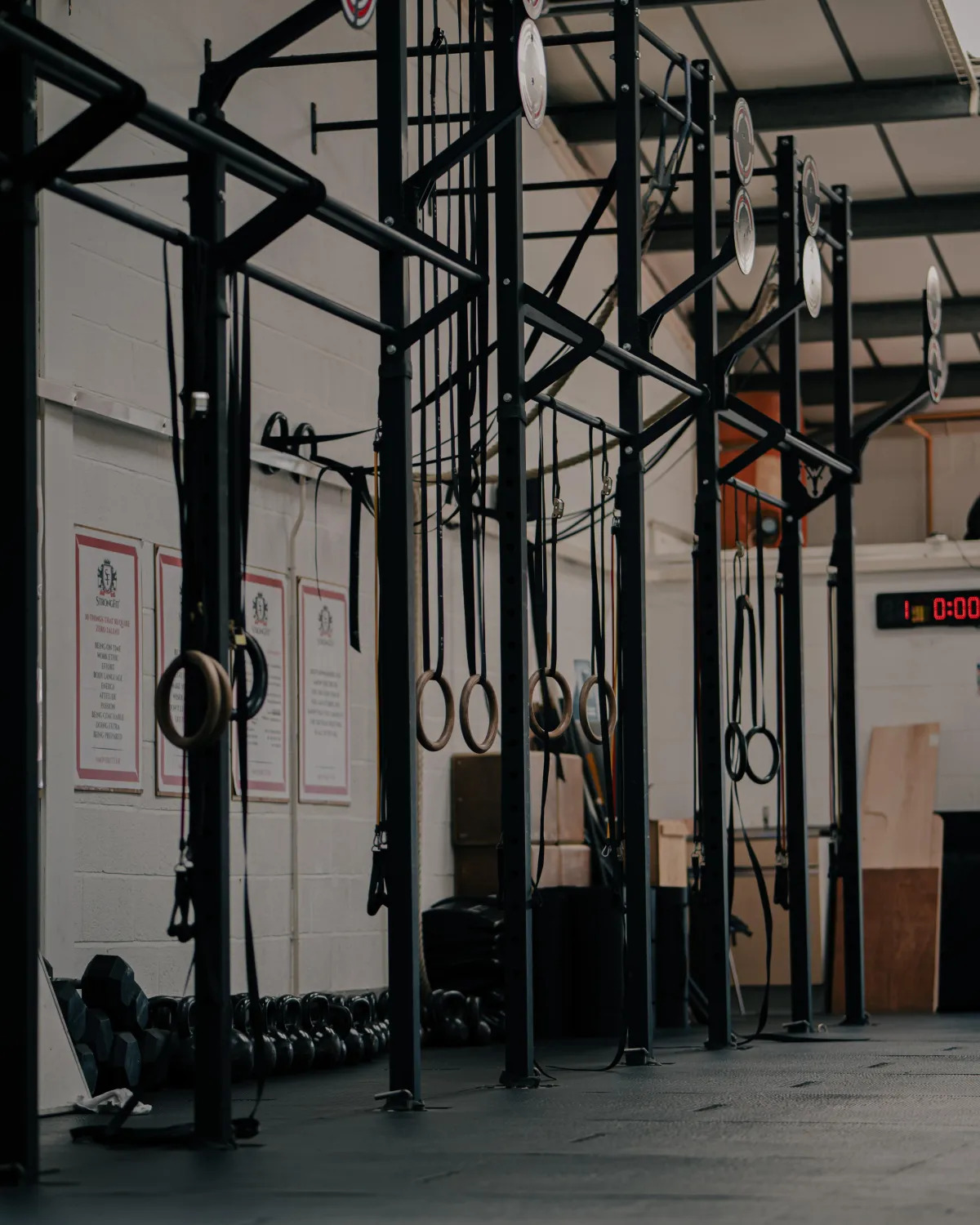
Repair Without Ego. The Discipline That Extends Your Physical Lifespan.
Repair Without Ego: The Hidden Discipline That Extends Your Lifespan
There is a point in every training life where the body speaks clearly but the ego refuses to listen. This is where most people break. Not because the injury is catastrophic, but because their relationship with strain, discipline and self perception has never been rebuilt into something stable.
People do not damage their bodies because they train too hard.
People damage their bodies because they train without awareness.
The body whispers long before it screams.
Most ignore the whisper, push through the signal, and then pretend the consequence was unpredictable. It never is.
Repair is not a setback.
Repair is part of the architecture.
It is a phase of training rather than a pause from it.
Until you learn how to repair without ego, your health identity will always be unstable.
The Hidden Pattern Behind Most Physical Breakdowns
The real fracture is never physical.
It is psychological.
People override signals because they want to keep pace with their own performance story. They fear regression. They fear looking weaker. They fear losing momentum. So they push through fatigue, tension, or emotional agitation and call it discipline.
That is not discipline.
That is self deception wearing discipline’s clothing.
The body keeps score.
And it collects interest.
A tight hip is ignored.
A disrupted sleep night is dismissed.
A poor session is rationalised as “just stress”.
A spike in soreness is treated as irrelevant.
Every ignored signal is a withdrawal from the body’s reserves.
Eventually those withdrawals exceed what the body can cover, and the collapse is framed as sudden.
Nothing about it is sudden.
It is accumulated misalignment.
Why Most People Cannot Repair Well
Repair requires humility.
And humility is the trait most people lack when it comes to their physical identity.
They see repair as failure rather than recalibration.
They fear stepping back because they anchor their self worth to intensity rather than consistency.
They confuse recovery with softness, forgetting that the strongest athletes in the world protect their physiology with precision.
But the deeper truth is this
Repair forces you to face the part of yourself that relies on momentum to avoid stillness.
When training slows, the inner noise gets louder.
This is where ego interferes.
So they push harder rather than listen.
They escape into load rather than confront truth.
They repeat the same pattern until the injury becomes the teacher they refused to learn from.
Repair Is a Strategic Phase, Not a Pause
Physiology does not regress because intensity drops.
It regresses because relationship with recovery is emotional rather than disciplined.
Repair training has a structure
Lower load
Higher awareness
Slower tempo
Precise technique
Nervous system downregulation
Sleep prioritised
Nutrition tightened rather than relaxed
This is what mastery looks like.
Not doing more.
Doing the right thing at the right time.
Strength does not disappear in days.
But leadership does.
When you do not honour the body’s signals, you lose trust in your own decision making.
Repair restores that trust.
The Nervous System is the Gatekeeper of Health
Muscular fatigue is rarely the real issue.
Nervous system dysregulation is.
When the nervous system is overloaded, movement quality collapses.
When movement collapses, injury risk increases.
When injury risk increases, ego tries to compensate.
This is the loop that destroys longevity.
The nervous system dictates output, pace, reaction speed, recovery and resilience.
If you train through dysregulation, you are working against your own biology.
Learning to feel the early signs
• shallow breath
• increased tension
• irritability
• difficulty focusing
• disrupted sleep
• diminished drive
These are not inconveniences.
They are warnings.
If you ignore the warnings, the body will force compliance.
The Cost of Ignoring Precise Repair
The cost is not the injury.
The cost is the identity erosion that follows.
When you fail to repair well, you lose confidence in your ability to train with authority.
You start second guessing sessions.
You become reactive rather than strategic.
Training becomes inconsistent.
Progress becomes sporadic.
Your identity as a physically grounded person weakens.
Health is not built through perfect sessions.
Health is built through unwavering identity.
If your identity collapses the moment intensity lowers, you never had mastery.
You had momentum dependence.
Repair exposes that.
The Identity Shift That Changes Everything
The shift is simple
You stop seeing repair as interruption.
You start seeing it as integration.
Mastery is not intensity.
Mastery is continuity.
Anyone can train when they feel powerful.
Only the disciplined can train when the ego feels threatened.
When you repair with precision
• strength returns stronger
• movement becomes cleaner
• fatigue drops
• confidence increases
• longevity expands
• emotional stability rises
This is the quiet compounding most people never experience because they never step off the intensity treadmill long enough to see it.
Repair is where the intelligent athlete is built.
The Practice
For the next seven days, measure the following without emotion
Sleep
Resting heart rate
Mood shifts
Movement quality
Appetite
Breath depth
Training drive
If any signal deviates, do not push harder.
Adjust with intention.
Your body is speaking.
Your ego is optional.
Longevity belongs to those who can repair with the same discipline they use to perform.

